While visiting the island of Krk in March 2024, I made a stop at the archaeological site of Fulfinum Mirine, near Omišalj. This place isn’t as famous as other tourist spots, but it holds an important part of Croatia’s early history. Walking among the ruins, you immediately get a sense of how old everything is — and how much of it is still standing.
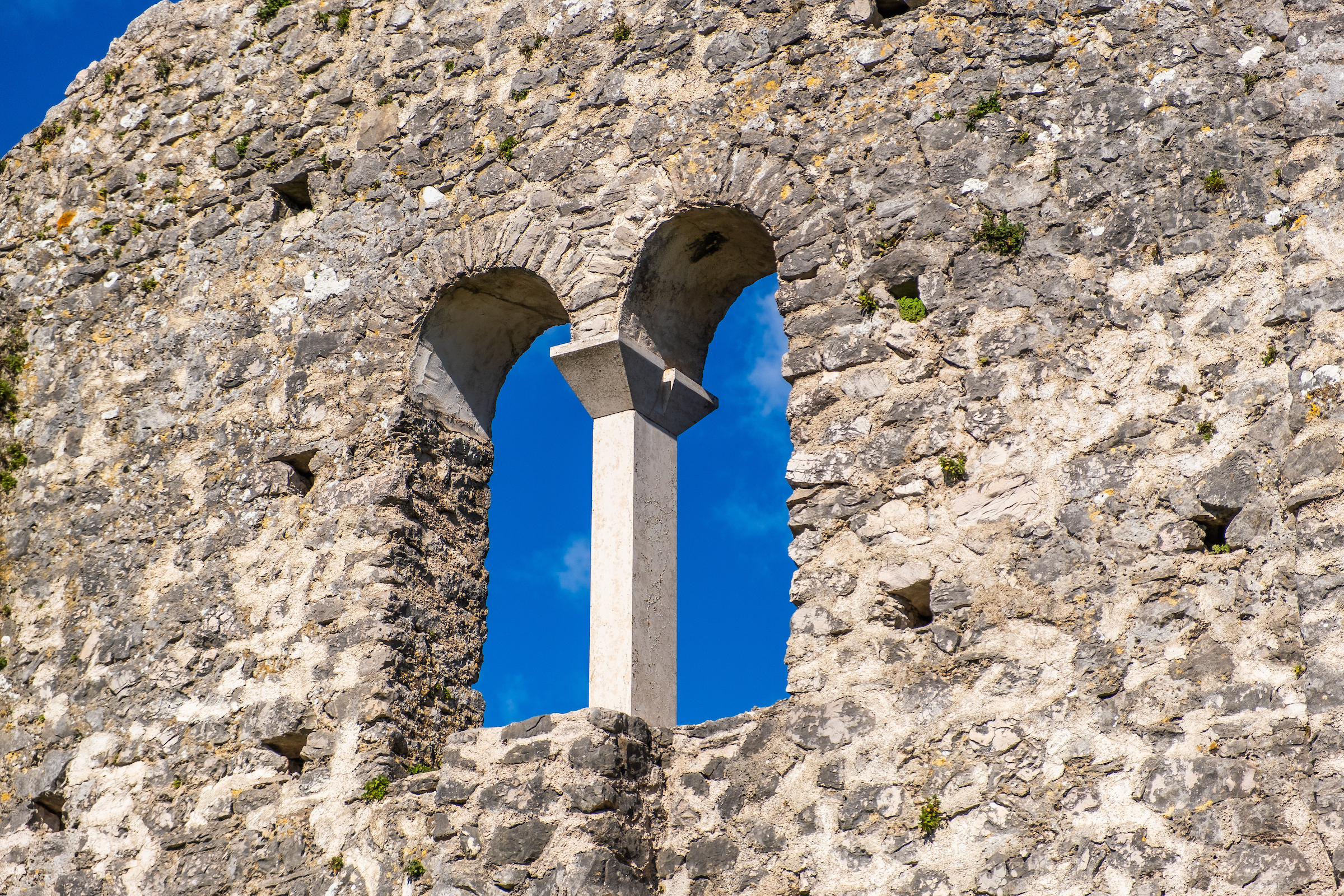
The photo focuses on a preserved part of the old basilica wall, showing a twin-arched window detail. The rough stone construction frames the smooth, restored column in the middle, while the blue sky fills the background. It’s a simple composition, but I like how it draws attention to the textures — the contrast between ancient craftsmanship and modern restoration work.
Photographing Fulfinum Mirine is all about observing details. It’s easy to get overwhelmed by the larger ruins, but stepping closer reveals the small pieces that still connect us to the past. I usually spend time framing shots like this carefully, making sure they are clean and focused without trying to “add” something that isn’t there. It’s a way of respecting the story behind the place.
Fulfinum was a Roman town established in the 1st century AD, built to serve the needs of Roman veterans. The nearby early Christian basilica complex, Mirine, came later, around the 5th century. Together, these sites offer one of the rare complete examples of Roman town life transitioning into the early medieval period. Despite being relatively unknown compared to other Croatian landmarks, Fulfinum Mirine offers a quiet, authentic glimpse into ancient life.
You can find more photos and stories from my travels around Croatia on croatiacaptured.com.